
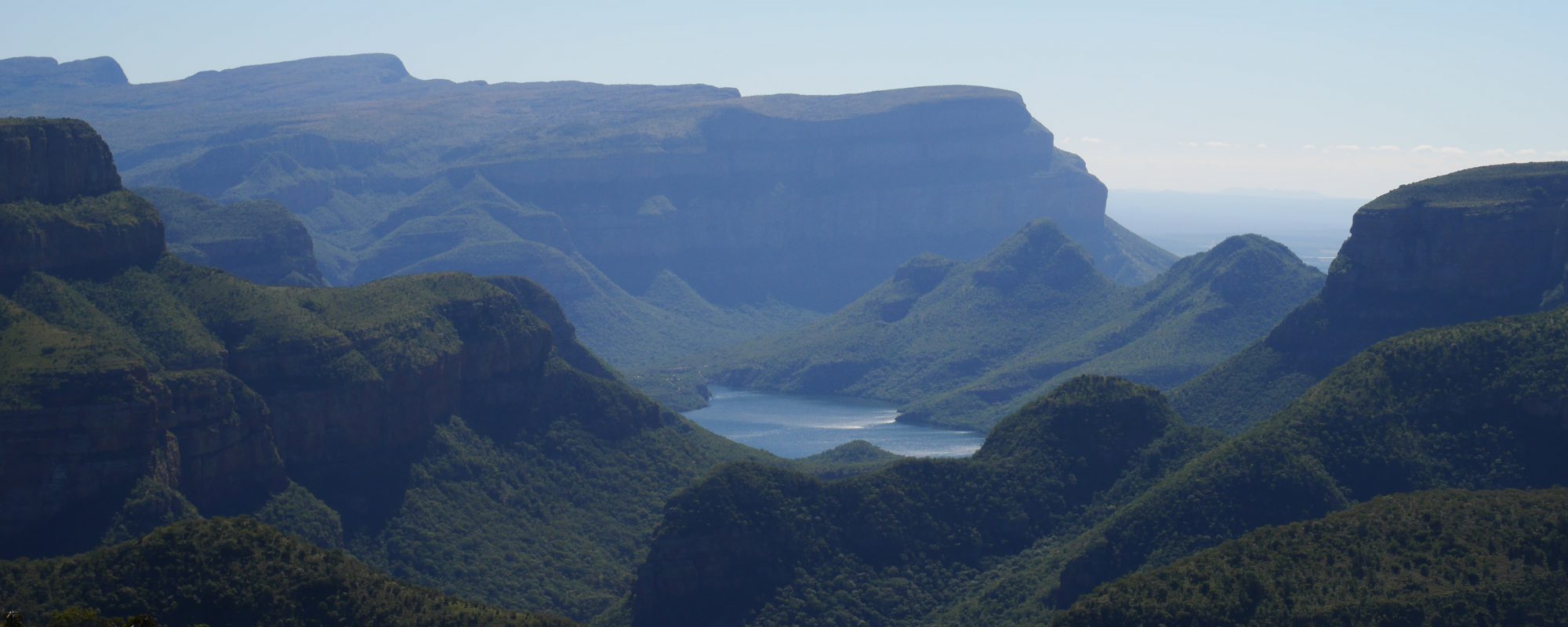
Switzerland is one of the most spectacular countries in Europe to explore by campervan. Mountain passes, turquoise lakes, glaciers and beautifully kept towns make almost every driving day feel scenic. It is also a country where a little preparation matters: motorway charges, rules for heavier motorhomes, overnight parking and campsite costs work differently from many neighbouring destinations.
We travelled through Switzerland by campervan on a 10-day road trip that took us from Lucerne and the Bernese Alps to the Aletsch Glacier, Zürich and the Rhine Falls. This guide brings together the practical things we would want to know before doing the trip again, especially if you are planning a family road trip.
Need to rent a campervan? You can compare professional rental companies with CamperDays or look for privately owned campervans and motorhomes on Goboony. Our complete guide to renting a campervan in Europe explains what to check before booking.

Campervan Switzerland: quick facts
| Motorway vignette | CHF 40 for campervans and motorhomes up to 3.5 tonnes using chargeable motorways and expressways |
| Short-term vignette | No. Switzerland only offers the annual vignette |
| Motorhomes over 3.5 tonnes | Usually subject to the lump-sum heavy vehicle charge, or PSVA, instead of the standard vignette |
| Wild camping | No single nationwide rule applies everywhere; local, cantonal and protected-area rules matter |
| Motorway speed | Up to 120 km/h for motorhomes up to 3.5 tonnes and generally 100 km/h for motorhomes over 3.5 tonnes, subject to signs and local restrictions |
| Best road-trip season | Late spring to early autumn for the easiest access to mountain roads, hikes and cable cars |
Do you need a vignette for a campervan in Switzerland?
Yes, if your campervan or motorhome has a total permissible weight of up to 3.5 tonnes and you use Swiss motorways or expressways that are subject to the motorway charge. The Swiss motorway vignette costs CHF 40 and is available either as a traditional sticker or as an electronic e-vignette.
Switzerland does not offer a short-term motorway vignette. The annual vignette applies whether you are only crossing the country for a day or spending several weeks there. It is valid from 1 December before the year shown on the vignette until 31 January of the following year.
You can also check the current rules directly on the Swiss Federal Office for Customs and Border Security website.
What if your motorhome weighs more than 3.5 tonnes?
Motorhomes with a total permissible weight above 3.5 tonnes generally fall under a different system. Instead of the standard motorway vignette, they are subject to the Swiss lump-sum heavy vehicle charge, known as the PSVA.
An important difference is that the PSVA is not limited to motorways. For foreign vehicles, the heavy-vehicle charge applies to the Swiss public road network. Check the permitted total weight in your registration documents before travelling and use the official Swiss customs information to confirm which charge applies to your vehicle.
You can find the current rules for foreign motorhomes on the official PSVA page.
Can you wild camp in Switzerland in a campervan?
Wild camping in Switzerland is less straightforward than in countries such as Sweden. There is no single nationwide rule that makes overnighting in a campervan acceptable everywhere, and restrictions can vary between cantons, municipalities, protected areas and individual car parks.
That means signs and local rules matter. A place where daytime parking is permitted does not automatically become a legal campsite at night, and camping behaviour such as putting out chairs, awnings or levelling equipment may be treated differently from simply parking a vehicle.
For a stress-free trip, especially with children, we normally prefer official campsites or designated motorhome areas. If you are considering an informal overnight stop, check the local rules first and avoid protected areas or locations where overnight stays are explicitly prohibited.
Campsites and motorhome stops in Switzerland
Switzerland offers everything from simple motorhome stopovers to full-service campgrounds beside lakes and in mountain valleys. Switzerland Tourism lists more than 100 authorised public and private motorhome sites, in addition to the wider campsite network.
We like mixing both styles of overnight stay. Simple stops keep a road trip flexible, while a campsite every few days is useful for showers, laundry, electricity and giving children more space to play. In July and August, popular lake and mountain campsites can fill up quickly, so booking ahead is worth considering if your route is fixed.
The Switzerland Tourism camping and motorhome page is a useful starting point for planning overnight stops.
Is Switzerland expensive by campervan?
Switzerland is not a budget campervan destination, but travelling with your own accommodation and kitchen still gives you more control over costs than a hotel-based road trip. The biggest expenses are usually fuel, campsites, mountain transport such as cable cars and trains, and paid attractions.
Cooking in the campervan, shopping in supermarkets, mixing full-service campsites with simpler legal motorhome stops and choosing mountain excursions carefully can make a noticeable difference. We would also leave some flexibility in the budget for cable cars and mountain railways, because these are often what make Switzerland’s most spectacular landscapes accessible with children.
Driving a campervan in Switzerland
Swiss roads are generally excellent, but mountain driving takes longer than distances on the map suggest. Narrow roads, steep gradients, tunnels and winding passes mean that we prefer shorter driving days, especially when travelling with children.
Campervan speed limits in Switzerland
For motorhomes up to 3.5 tonnes, the general maximum limits are 50 km/h in built-up areas, 80 km/h outside built-up areas, 100 km/h on expressways and 120 km/h on motorways. For motorhomes over 3.5 tonnes, the motorway limit is generally 100 km/h. Always follow posted limits, which may be lower.
Before heading into the mountains, check weather and road conditions. Some high passes are seasonal, and conditions can change quickly even when the weather is warm in the valleys. If your campervan is larger or heavier than a typical rental van, check height, width and weight restrictions before choosing mountain roads or parking areas.
Our favourite campervan destinations in Switzerland
This guide is focused on the practical side of campervan travel in Switzerland, so we will keep the destination section short. If you want the full route, read our 10-day Switzerland campervan itinerary, which shows how we connected the stops below.
Lucerne and the Bernese Alps
Lucerne makes a beautiful first stop after entering Switzerland from the north or west. From there, it is easy to continue towards the lakes and mountains of the Bernese Oberland, where the road-trip scenery becomes increasingly dramatic.
Aletsch Glacier
The Aletsch Glacier was one of the most impressive stops on our trip. The panorama trail gives you extraordinary views over the glacier and surrounding peaks, while cable cars make the area much more accessible than the scale of the landscape suggests.

Read our separate guide to hiking along the Aletsch Glacier.
Zürich
Zürich surprised us with how easy it was to combine a city stop with lake views and a relaxed atmosphere. Families may enjoy the FIFA Museum or the Lindt Home of Chocolate, while a city tour can be useful if you have limited time.
Rhine Falls
Rhine Falls is an easy final stop if you are heading towards Germany. The waterfalls are impressive from the viewpoints, and boat trips take you even closer to the water.

Our Rhine Falls guide explains how to visit and what to expect.
Campervan travel in Switzerland with kids
Switzerland works very well for family campervan travel because many of the most spectacular landscapes are accessible without committing to difficult hikes. Cable cars, mountain trains, lakeside walks and waterfalls give you plenty of options for shorter days.
We would still avoid changing campsites every night. Staying two nights in the same place gives children a break and makes it much easier to enjoy a playground, pool or lakeside area after a mountain excursion. It also gives you some flexibility if the weather changes and you need to move a cable-car or hiking day.
How many days do you need for a Switzerland campervan trip?
A week is enough for a focused route, but around 10 days gives you much more flexibility. That is the length we chose, and it allowed us to combine cities, glaciers, lakes and mountain stops without turning every day into a long driving day.
If you have two weeks, we would slow the trip down further or add another region rather than simply increasing the number of stops. Switzerland rewards slower travel, especially when mountain weather affects your plans.
Best time for a Switzerland campervan trip
For a road trip focused on mountains and hiking, late spring through early autumn is the easiest period. Summer offers the broadest access to high-altitude routes and mountain transport, but it is also the busiest time for campsites and popular attractions.
Travelling outside midsummer can mean quieter roads and campsites, but you need more flexibility with mountain weather, seasonal roads and cable-car opening periods. If high mountain passes are central to your route, always check current conditions shortly before travelling.
Practical checklist before driving a campervan in Switzerland
Before leaving, check your campervan’s permitted total weight, confirm whether you need the CHF 40 motorway vignette or the PSVA, and plan legal overnight stops rather than relying on informal parking. In mountain areas, allow more driving time than the map suggests and check current weather and road conditions before each high-altitude drive.
If you travel in July or August, it is also worth booking the most popular campsites in advance, particularly around lakes and well-known mountain resorts. For the equipment we actually find useful on European road trips, see our campervan equipment guide.
Campervan Switzerland FAQ
Do campervans need a vignette in Switzerland?
Campervans and motorhomes with a total permissible weight of up to 3.5 tonnes need the Swiss motorway vignette when using chargeable motorways and expressways. Motorhomes over 3.5 tonnes generally fall under the PSVA heavy-vehicle system instead.
How much is the Swiss vignette for a campervan?
The Swiss motorway vignette costs CHF 40. There is no cheaper short-stay version for tourists.
Can you sleep in a campervan in Switzerland?
There is no single nationwide answer that applies to every parking place. Local and cantonal rules, protected areas and individual parking restrictions can all affect whether an overnight stay is permitted. Official campsites and designated motorhome areas are the simplest option.
What happens if my motorhome weighs more than 3.5 tonnes?
Motorhomes over 3.5 tonnes are generally subject to the PSVA lump-sum heavy vehicle charge rather than the normal motorway vignette. Check the official Swiss customs rules for the current payment options before entering the country.
Is Switzerland expensive by campervan?
It is more expensive than many European campervan destinations, mainly because of fuel, campsites and mountain transport. Having your own kitchen and accommodation still makes it easier to control the budget, particularly if you mix campsites with simpler legal motorhome stops.
How long should you spend in Switzerland by campervan?
Around 10 days works very well for a first trip because it allows you to combine mountain areas, lakes and a few city stops without rushing. Our 10-day Switzerland campervan itinerary shows the route we followed.
Final thoughts on campervan travel in Switzerland
Switzerland is not the cheapest country for a campervan road trip, but it is one of the most rewarding. Once you understand the vignette or PSVA system, plan your overnight stops and keep daily driving distances realistic, travelling by campervan becomes surprisingly straightforward.
For us, the combination of lakes, glaciers, mountain roads and easy family-friendly attractions made Switzerland a road trip we would happily repeat. If you are ready to plan the route itself, continue with our Switzerland campervan itinerary, and for more ideas around Europe see our guide to the best campervan road trips in Europe.